The Death Guide is not an emergency or crisis service.

Urgent help information

About Damien and The Death Guide

Experience across the whole journey of death.

Damien Hudson brings together emotional support, practical knowledge, funeral experience and honest conversation before, during and long after death.

People can reach out with a single question, a complicated situation or a need they cannot yet put into words.

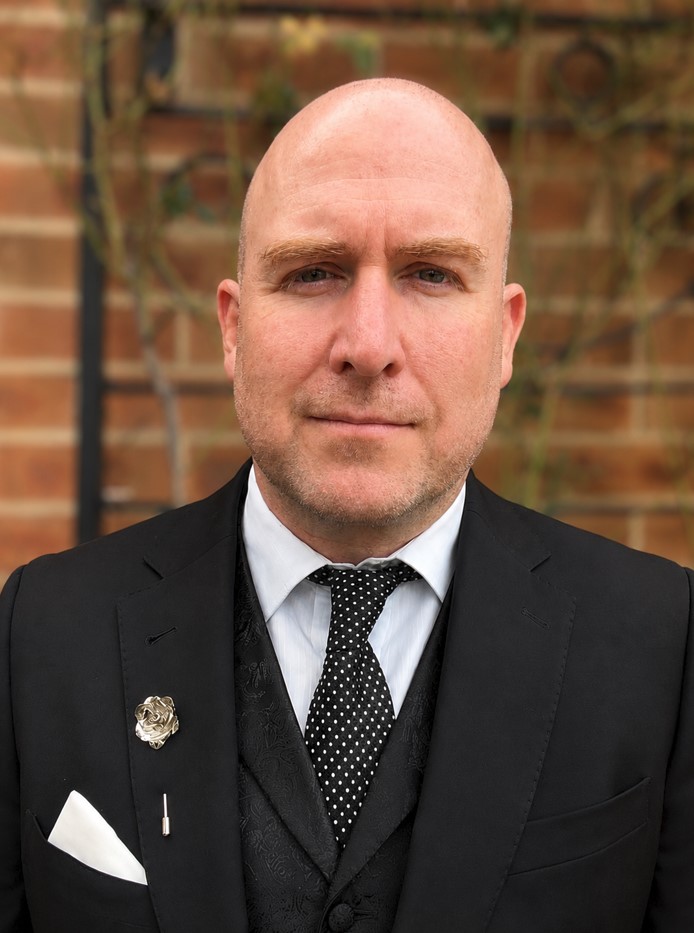
Damien Hudson, founder of The Death Guide
Damien Hudson · BPsySc · Thanatologist

About Damien

Knowledge matters. So does knowing how to be with people.

Damien Hudson, BPsySc, founded The Death Guide to provide a kind of support that is often difficult to find in one place: calm conversation, grief support, practical help and an understanding of how end-of-life and funeral systems work.

His experience spans grief counselling, loss, suicide and trauma; funeral directing, funeral management and family care; funeral and memorial ceremonies; planning and writing; advocacy; and community and professional education.

Damien works with individuals, children and young people, couples, families, groups, communities and organisations. The work is shaped around the person and the circumstances rather than requiring everyone to fit the same kind of appointment or service.

His professional knowledge is also informed by lived experience with palliative care, voluntary assisted dying and suicide. This does not make every experience the same, but it brings an understanding of how personal, practical and complicated these situations can become.

What thanatologist means

A broad understanding of death, dying and bereavement.

Thanatology is the interdisciplinary study of death, dying, grief and bereavement. It draws together the human, social, psychological, cultural and practical parts of mortality rather than looking at only one part of the experience.

For Damien, the term describes the full range of his work. It sits across grief support, funeral care, family communication, education, practical planning and the many decisions people face before, during and after a death.

How Damien works

Start with what would be useful now.

Some people need information. Others need a steady conversation, help organising a difficult task, support with family communication or someone experienced to remain involved across several stages.

Support may be brief or ongoing by arrangement. It can take place by telephone, video call or in person—in a home, a local café or another setting that feels comfortable and appropriate.

Experience brought together

Support that can move between emotional and practical needs.

Death rarely arrives as one neat problem. Damien can help people understand what is happening, work through choices and manage the practical tasks that sit beside grief.

Grief and emotional support

Experienced conversations with adults, children, young people, families and groups around grief, loss, suicide, trauma and life after a death.

End-of-life and family support

Planning, advocacy, communication and practical support for a person who is dying, their family and the people providing care.

Funeral knowledge

Experience in funeral directing, funeral management, family care, ceremony leadership, funeral planning and helping families understand their choices.

Writing and creative work

Eulogies, funeral notices, order-of-service booklets, video tributes, ceremony material and other practical or commemorative work.

Advocacy and coordination

Preparing for meetings, clarifying questions, helping people communicate their wishes and coordinating with services and professionals when appropriate.

Education and conversation

Workshops, presentations and facilitated discussions for communities, workplaces, care organisations, health services and professional teams.

Why The Death Guide exists

Life does not divide itself neatly into before, during and after.

A medical service may focus on health. A funeral service begins when a death occurs. A grief service may become involved afterwards. Families, however, often live through all of these stages as one connected experience.

The Death Guide provides a consistent place to ask questions, think, plan and find support across that whole journey. The work may involve information, counselling conversations, advocacy, funeral navigation, writing, coordination or practical assistance.

There is no requirement to know which service label fits. The first conversation can simply begin with what is happening.

View all areas of support

Funeral work and The Death Guide

Two connected roles, with a clear pathway for families.

Damien is General Manager of Macquarie Valley Funerals and Monuments, a family-owned funeral home serving communities across the region. He works there in funeral management, family care and counselling, and as a funeral director.

When Damien is involved with funeral arrangements, care of the person who has died or related funeral services within Macquarie Valley Funerals' service area, that work is provided through Macquarie Valley Funerals. His experience and support are part of the care available to families using the funeral home.

The Death Guide has a broader role before a death, alongside dying and care, and long after the funeral. Further afield, Damien may also provide independent planning, writing, coordination and family support while working respectfully alongside a family's chosen funeral director and other professionals.

Not sure which pathway applies? Contact Damien and briefly explain the situation. He can tell you whether the enquiry belongs with The Death Guide, Macquarie Valley Funerals or another suitable service.

Central West and greater NSW

Locally based and willing to travel.

Damien regularly travels throughout the Central West, including Mudgee, Rylstone, Kandos, Gulgong, Bathurst, Orange, Dubbo, Lithgow, Coolah, Dunedoo and surrounding communities.

Support may also be available across western NSW, Greater Sydney and elsewhere in NSW when required. Telephone and video appointments make many forms of support available regardless of location.

Ask about support in your area

If urgent help is needed

The Death Guide is not an emergency or 24-hour crisis service.

If life is in danger, someone may act on thoughts of suicide or urgent medical assistance is needed, call Triple Zero (000).

Begin with a few words

You do not need to know exactly what kind of help to ask for.

A brief introductory telephone call or email is free. Tell Damien what is happening and what feels difficult; together you can work out whether and how he may be able to help.

Telephone enquiries: 10am–3pm Monday–Friday. Email enquiries may be sent at any time.